Why Is My Pasta Always Sticky? (And How to Fix It)
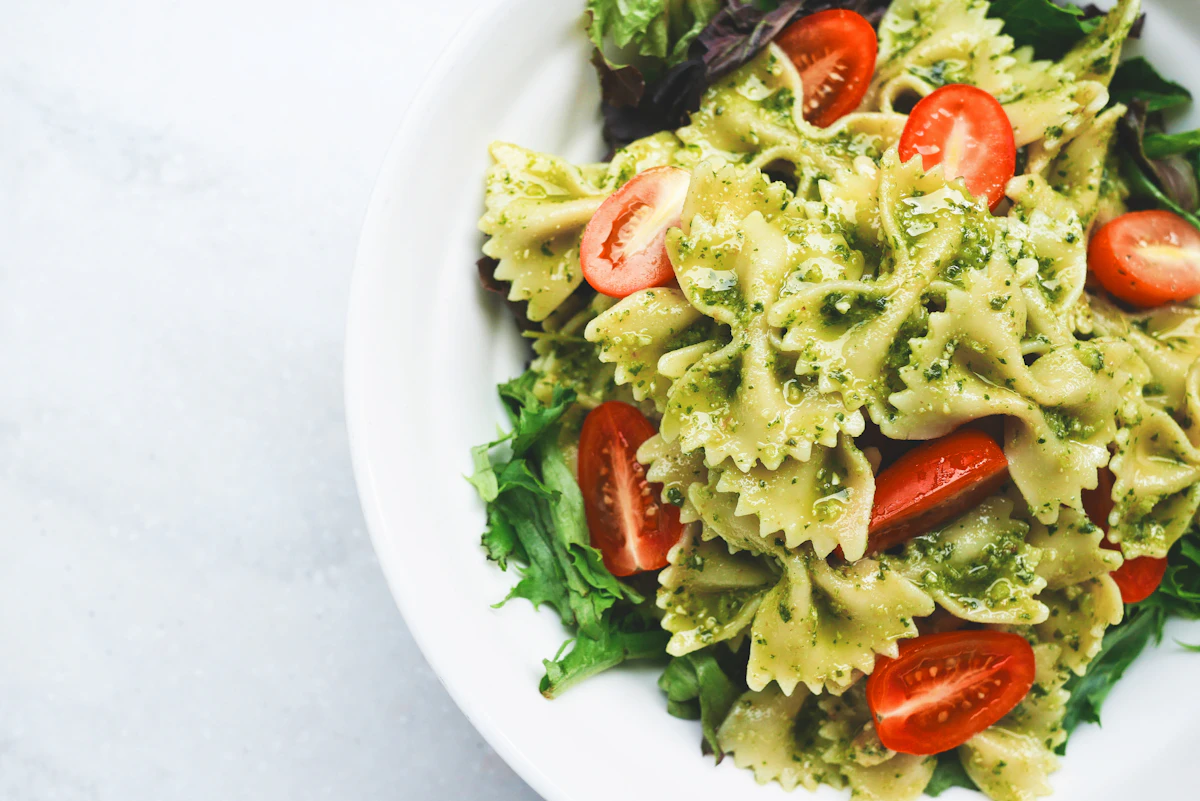
You followed the box directions, drained the pasta, tossed it with sauce — and ended up with one clumpy, gluey mass. Sound familiar? Sticky pasta is one of the most common home-cooking frustrations, and the good news is it's almost never your fault. It's usually a handful of small, fixable mistakes in how the pasta is boiled and handled.
The science of sticky pasta
Pasta releases starch as it cooks. In plenty of vigorously boiling, well-salted water, that starch disperses and washes away, leaving each noodle smooth and separate. In too little water, or water that isn't at a rolling boil, the starch concentrates into a sticky coating on the noodle surfaces. That's the gumminess you're tasting.
Overcooking makes it worse: soft, bloated noodles shed even more starch and have no structure left to stay separate. The fix is mostly about water volume, heat, and timing — plus one thing you should stop doing entirely.
Fix 1: Use way more water than you think
The single biggest fix is water volume. Use at least 4-6 quarts of water per pound (450g) of pasta. A big pot of abundant water keeps the temperature high when the pasta goes in, gives starch room to disperse, and lets noodles move freely instead of nesting together in a starchy bath.
If your pot is on the small side, cook the pasta in two batches rather than cramming it all in at once.
Fix 2: Wait for a true rolling boil
Adding pasta to water that is merely simmering is a classic cause of stickiness. The noodles sit too long in lukewarm water, shedding starch before the surface sets. Wait until the water is at a full, aggressive rolling boil — then salt it generously (about 1 tablespoon per 4 quarts) and add the pasta.
Stir immediately and thoroughly for the first 60-90 seconds. That's when noodles are most likely to fuse together. A few stirs later in cooking don't hurt either.
Fix 3: Stop rinsing your pasta
Unless you're making a cold pasta salad, never rinse cooked pasta under the tap. Rinsing washes away the light starch coating that helps sauce cling to the noodles — and ironically, cold water shocks the surface starch into a gummy layer. Drain and go straight to the sauce.
The one exception is pasta for salads or stir-fries, where you actually want to stop the cooking and wash off surface starch so the pieces stay separate when cold.
Fix 4: Cook it a minute less, then finish in the sauce
Pull the pasta about 1-2 minutes before the package's al dente time. It should still have a firm bite in the center. Transfer it directly into your simmering sauce with a splash of the starchy pasta water, and toss over the heat for a minute or two.
This technique — mantecatura — lets the noodles absorb the sauce instead of sitting in plain water getting softer and starchier. The pasta water's starch also helps the sauce turn glossy and clingy rather than pooling at the bottom of the bowl.
Fix 5: Don't let it sit in the colander
Cooked pasta keeps steaming and sticking as it sits. If the sauce isn't ready, toss the drained pasta with a teaspoon of olive oil or a ladle of sauce to keep the strands lubricated. Better yet, time it so the sauce is hot and waiting when the pasta comes out of the water.
Frequently asked
Should I add oil to the pasta water to prevent sticking?expand_more
No — it doesn't really work. The oil floats on top and barely touches the noodles, and it can make sauce slide off later. A big pot of boiling water and stirring in the first minute are far more effective.
Why does my pasta stick together even in plenty of water?expand_more
Check two things: whether the water was at a full rolling boil when you added the pasta, and whether you stirred in the first 60-90 seconds. Overcooking past al dente also makes noodles shed extra starch and clump.
Does the type of pasta matter for stickiness?expand_more
Yes, a little. Bronze-die, rougher-textured pasta holds sauce better and feels less gummy than very smooth, cheap extruded pasta. Fresh pasta cooks much faster and sticks more easily, so give it extra water and attention.
Can I fix pasta that already turned out sticky?expand_more
Somewhat. Rinse it briefly in hot (not cold) water to wash off excess surface starch, then toss it straight into hot sauce with a splash of pasta water. It won't be perfect, but it will be noticeably better.
