What to Make With Pasta
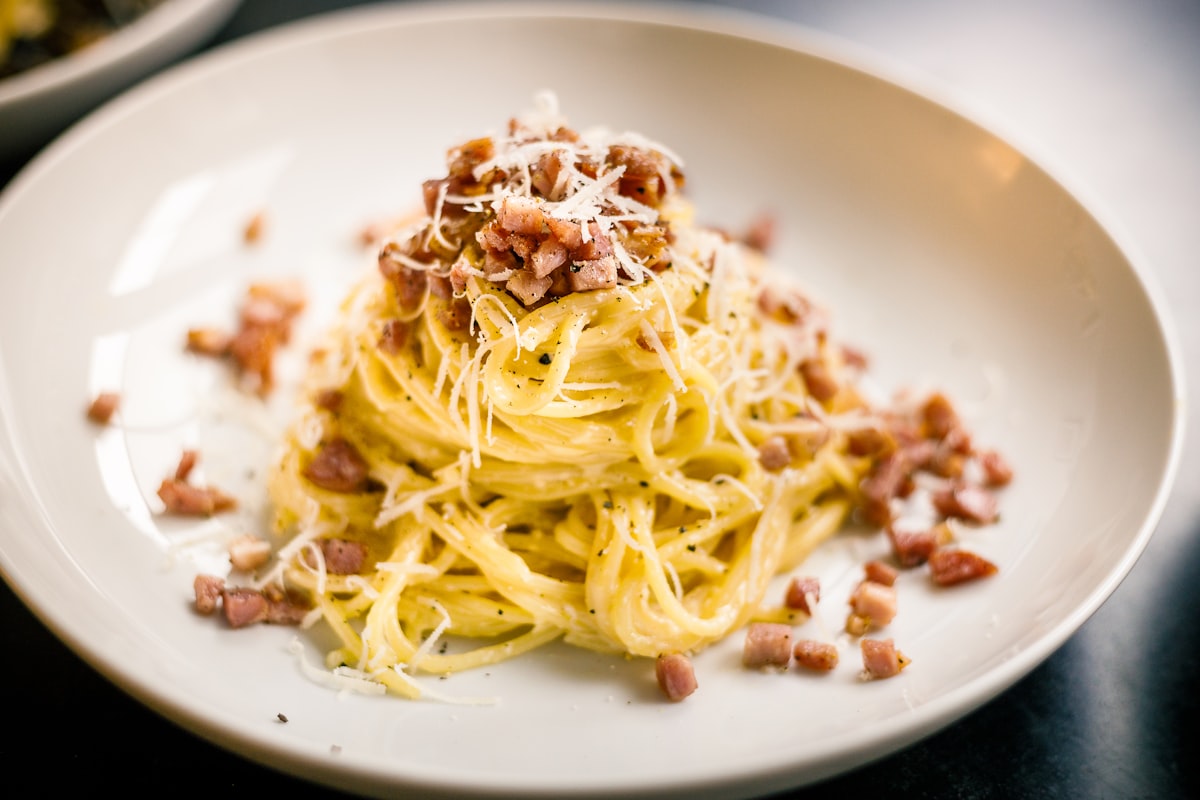
Almost any box of dry pasta becomes dinner in 20 minutes or less. The fastest directions are cacio e pepe (just cheese and black pepper), aglio e olio (garlic, oil, and breadcrumbs), tomato garlic pasta from a can, or tuna pasta with lemon. All of them run on pantry ingredients and none of them needs a long-cooking sauce.
This guide walks through five specific pasta meals with enough detail to cook tonight, what to do with leftover cooked pasta tomorrow, and how to store dry and cooked pasta so it stays good. It's written for standard dry shapes like spaghetti, penne, and farfalle; fresh pasta cooks in a fraction of the time and needs less water.
Cacio e pepe: cheese and pepper pasta
Cook 8 ounces of spaghetti in well-salted water until just shy of al dente. While it cooks, toast 2 teaspoons of cracked black pepper in a dry skillet over medium heat for about 1 minute, until it smells sharp and spicy.
Add 1/2 cup of the starchy pasta water to the skillet, then the drained pasta and 1 cup of finely grated Pecorino Romano or Parmesan, off the heat. Toss for 1 to 2 minutes until the cheese melts into a glossy sauce, adding pasta water a splash at a time if it looks dry. The one rule: keep the pan off the heat while you add the cheese, or it clumps instead of melting.
Aglio e olio with crispy breadcrumbs
Cook 8 ounces of spaghetti until al dente. Meanwhile, warm 1/3 cup of olive oil in a large skillet over medium-low heat and cook 6 thinly sliced garlic cloves with a pinch of red pepper flakes for 3 to 4 minutes, until the garlic is pale gold and smells sweet.
In a separate dry pan, toast 1/2 cup of fresh breadcrumbs over medium heat for 2 to 3 minutes until golden. Toss the drained pasta with the garlic oil, top with the breadcrumbs, and finish with chopped parsley if you have it. The critical detail: pale gold, not brown — browned garlic turns bitter and there's no fixing it.
Tomato garlic pasta from a can
Heat 2 tablespoons of olive oil in a skillet over medium heat and cook 4 thinly sliced garlic cloves for 1 minute until fragrant but not browned. Add one 14-ounce can of crushed tomatoes, a pinch of sugar, and salt, then simmer 10 to 12 minutes until the sauce thickens and the raw tomato edge is gone.
Cook 8 ounces of pasta 2 minutes less than the package says, then move it into the sauce with 1/2 cup of pasta water. Finish it in the sauce for 2 minutes, tossing, until the pasta is done and the sauce clings to it. Finishing the pasta in the sauce is the trick — the starch it releases thickens the sauce so it coats instead of pooling.
Tuna pasta with lemon and capers
Cook 8 ounces of penne or fusilli until al dente, saving 1/2 cup of pasta water. Drain one 5-ounce can of tuna and break it into chunks in a big bowl with 2 tablespoons of capers, the zest and juice of half a lemon, and 3 tablespoons of olive oil.
Add the hot pasta straight into the bowl and toss for 1 minute, adding pasta water a splash at a time until the tuna mixture loosens into a light, glossy coating. The pasta water is what makes this work — it turns the tuna's own oil into a sauce instead of leaving dry flakes on dry pasta. Season with black pepper and parsley.
Pasta frittata for leftover cooked pasta
Cold leftover pasta that nobody wants to eat plain is perfect for a frittata. Beat 6 eggs with 1/2 cup of grated cheese, salt, and pepper. Warm 1 tablespoon of olive oil in an ovenproof skillet over medium-low heat, spread 2 cups of leftover cooked pasta in an even layer, and pour the eggs over. Stir once so the pasta is coated, then let it cook undisturbed.
Cover the skillet and cook 8 to 10 minutes over medium-low heat, until the edges are set and the center is nearly firm — a knife in the middle should come out with no runny egg, about 160°F. Uncover, broil 2 minutes to brown the top if your skillet allows, then slide it out and cut into wedges. Serve warm or at room temperature; it's good cold the next day too.
How to store dry and cooked pasta
Dry pasta keeps for a very long time — up to 2 years in a cool, dry pantry, sealed or in its original box, before the quality starts to fade. It doesn't become unsafe, just more likely to taste flat.
Cooked pasta is a different story. Refrigerate it within 2 hours of cooking, in an airtight container, and eat it within 3 to 4 days. Reheat it with a splash of water or sauce over medium heat so it steams back to life instead of drying out; leftover pasta makes great fried noodles the next day too.
Frequently asked
How much dry pasta should I cook per person?expand_more
About 2 ounces of dry pasta per person works as a side dish; cook 3 to 4 ounces per person when pasta is the main meal. A standard 1-pound box feeds four to six as a main course.
Can I freeze cooked pasta?expand_more
Yes, up to 2 months for best quality. Toss it in a little oil, spread it on a sheet pan to cool, then freeze in flat portions in freezer bags. Reheat in boiling water for 1 to 2 minutes or warm it straight in simmering sauce.
Should I add oil to the pasta water?expand_more
No. Oil floats on top of the water and coats the pasta so sauce slides right off. Salt the water instead, about 1 tablespoon per 4 quarts, which is what actually flavors the pasta.
How do I keep pasta from sticking together after draining?expand_more
Use plenty of water, stir well during the first 2 minutes of cooking, and drain it when it's just done. Pasta only needs a rinse if you're serving it cold in a salad.
Can I substitute one pasta shape for another in a recipe?expand_more
Mostly yes. Long pasta suits light, oily sauces that coat the strands, while short shapes with ridges hold chunky sauces better. The main thing that changes is cook time, so follow the package directions for your shape.


