Tuscan Grandmother's Layered Beef Lasagna
A classic Italian comfort masterpiece featuring layers of tender pasta sheets, slow-simmered beef and tomato ragù, creamy ricotta filling, and bubbling layers of mozzarella and Parmesan. This gourmet lasagna combines traditional Italian techniques with rich, balanced flavors for a restaurant-quality family meal.
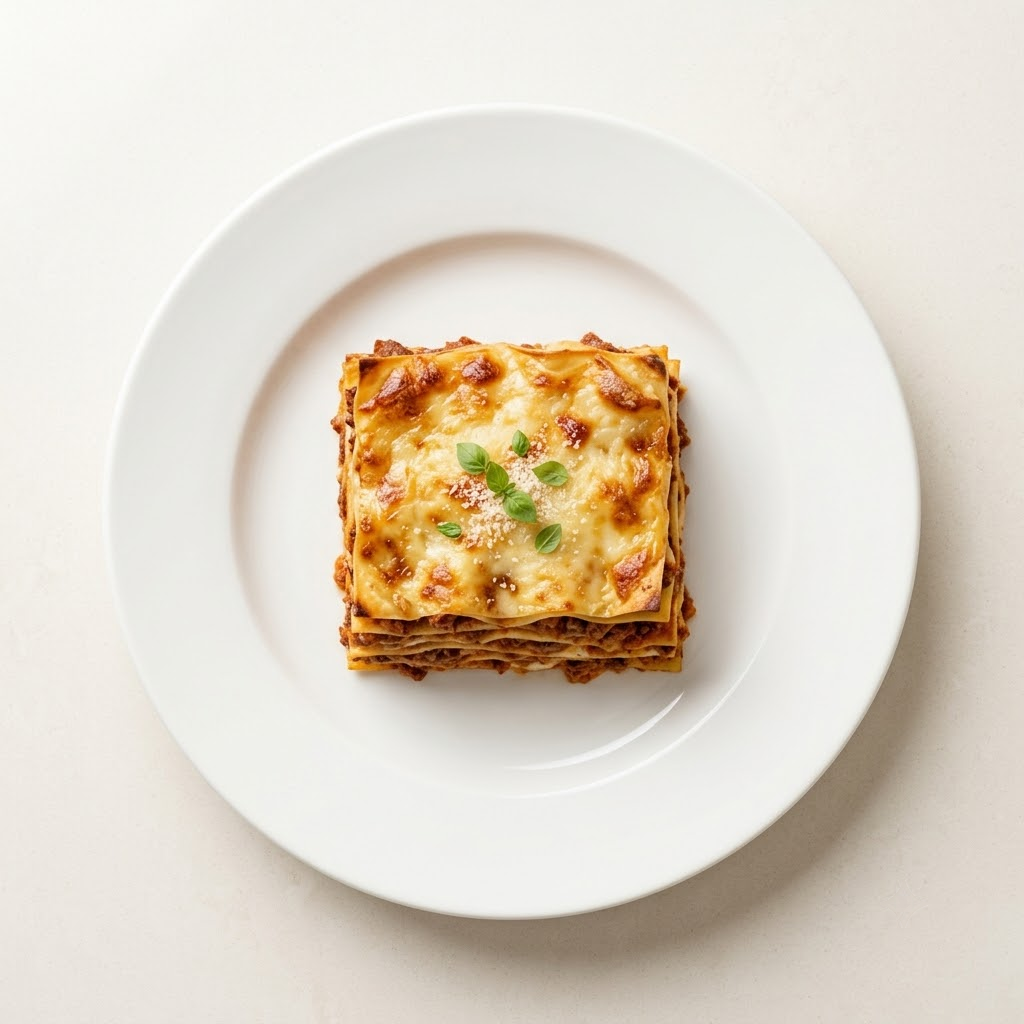
Tuscan Grandmother's Layered Beef Lasagna
shopping_basketIngredients
- Lasagna Pasta Sheets12 sheets, oven-ready or freshly prepared
- Ground Beef900g, 85% lean
- Italian Sausage250g, optional, halal-certified if preferred
- Yellow Onion1 large, finely diced
- Carrot1 medium, finely diced
- Celery1 stalk, finely diced
- Garlic5 cloves, minced
- Crushed Tomatoes800g canned
- Tomato Paste3 tbsp
- Red Wine1/2 cup, optional
- Fresh Basil1/2 cup, chopped
- Dried Oregano1 tsp
- Ricotta Cheese500g
- Egg1 large
- Freshly Grated Parmesan Cheese1 cup
- Mozzarella Cheese500g, shredded
- Whole Milk1/4 cup
- Olive Oil3 tbsp
- Saltto taste
- Black Pepper1 tsp, freshly ground
Nutrition Per Serving
Calories
620
Protein
38g
Fat
34g
Carbs
48g
restaurantInstructions
Prepare the Aromatic Base
Heat olive oil in a large heavy-bottomed pot over medium heat. Add diced onion, carrot, and celery. Cook slowly for 8 to 10 minutes until the vegetables soften and release their natural sweetness. Add minced garlic and cook for another 30 seconds until fragrant.
This traditional Italian soffritto creates the flavor foundation of the entire lasagna. Do not rush this step.
Brown the Meat
Increase the heat to medium-high and add the ground beef and Italian sausage. Break the meat apart with a wooden spoon and cook until deeply browned, about 8 to 10 minutes. Allow some caramelized bits to form on the bottom of the pot because they add incredible depth to the sauce.
Build the Ragù Sauce
Add tomato paste and cook for 2 minutes until it darkens slightly. Pour in red wine if using and allow it to reduce for 3 minutes. Add crushed tomatoes, oregano, salt, and pepper. Reduce heat to low and simmer uncovered for 45 to 60 minutes, stirring occasionally until the sauce becomes thick and rich.
Great lasagna depends on a great sauce. A slow simmer concentrates flavor and prevents watery layers.
Prepare the Cheese Filling
In a bowl, combine ricotta cheese, egg, half of the Parmesan cheese, milk, a pinch of salt, and black pepper. Mix until smooth and creamy. The egg helps the ricotta set slightly during baking, creating clean layers when sliced.
Cook the Pasta Sheets
If using traditional dried pasta sheets, boil them according to package instructions until just shy of al dente. Drain and lay them flat on a clean towel to prevent sticking. Oven-ready sheets can be used directly if the sauce contains enough moisture.
Layer the Lasagna
Preheat oven to 375°F (190°C). Spread a thin layer of meat sauce on the bottom of a baking dish. Add pasta sheets, ricotta mixture, mozzarella, Parmesan, and more ragù. Repeat the layers until all ingredients are used, finishing with sauce, mozzarella, and Parmesan on top.
The ideal lasagna has distinct layers. Avoid adding too much filling between layers because it can collapse during baking.
Bake Until Golden
Cover the baking dish with foil and bake for 30 minutes. Remove the foil and continue baking for another 20 to 25 minutes until the cheese is melted, bubbling, and beautifully golden. Allow the top to caramelize slightly for extra flavor.
Rest Before Cutting
Remove the lasagna from the oven and let it rest for 15 to 20 minutes before slicing. This allows the layers to stabilize and prevents the filling from spilling out when served.
Serve and Garnish
Slice into generous portions and garnish with fresh basil and additional Parmesan if desired. Serve with a crisp green salad, roasted vegetables, or warm garlic bread.
Lasagna often tastes even better the next day because the flavors continue to develop overnight.
Cooking Mode
Keep your screen awake with step-by-step guidance.